


Dining etiquette isn’t a formal occasion. It’s Tuesday.
Dinner with your family on a weeknight. The business lunch. Meeting your partner’s family for the first time. Christmas at your table, everyone you love in the room, and you’re the one hosting.
The moments where you’d like to show the best of yourself — because you want to, not because anyone’s testing you.
Most of us picked up pieces of it and improvise the rest. And improvising takes something. The checking. The guessing. The half-second of hesitation before you reach for anything — when you’d rather be present with the person across from you.
You might even know some of the rules. But a rule you’ve memorized is one more thing to hold on to, and in the moment, it slips.
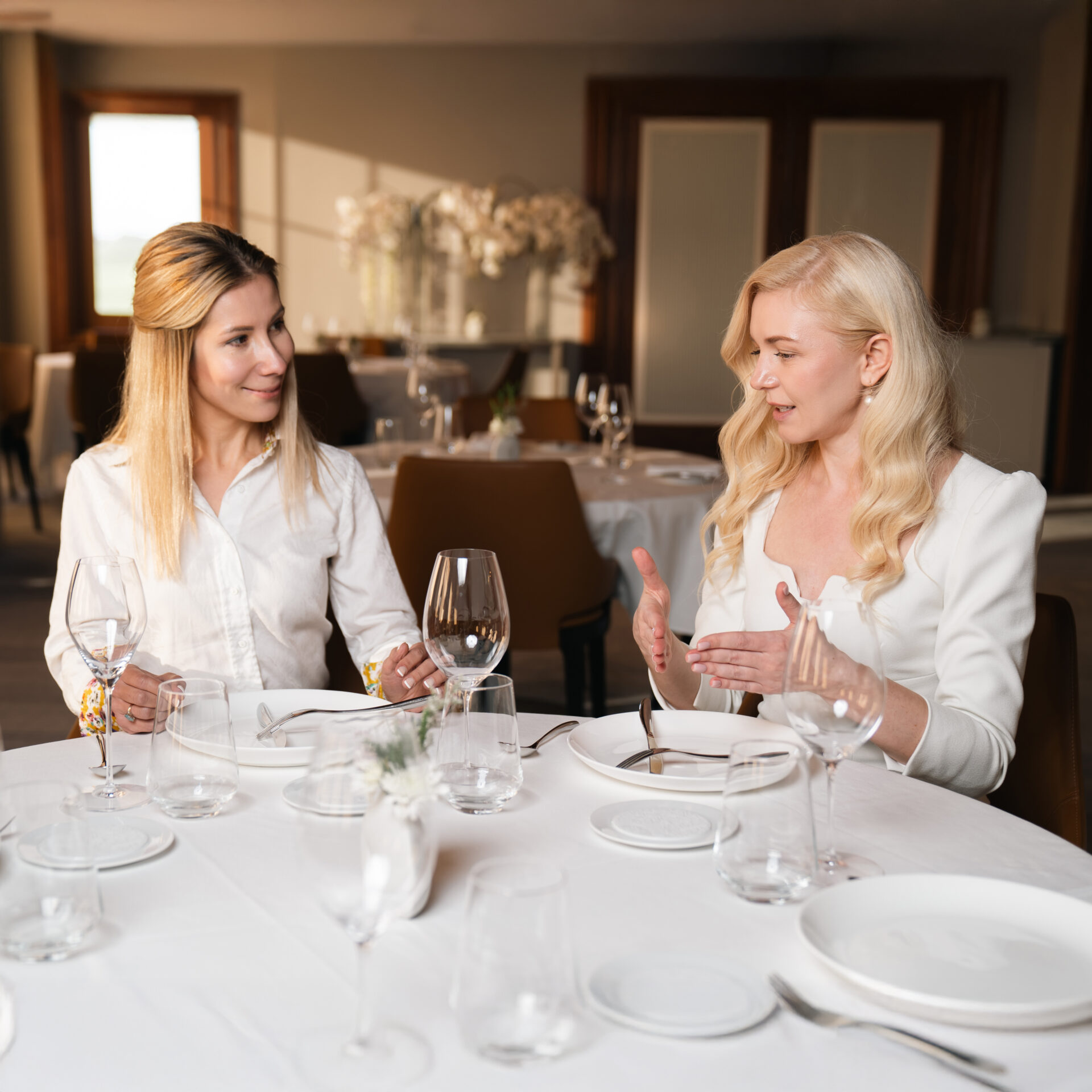
Knowing the rule means remembering that bread goes on the left. Understanding it means you never have to — the right side is already crowded with glasses, so bread was always going to sit on the left. Once you see why the table is arranged the way it is, the whole thing stops being a test.
That’s when it goes quiet. The first course arrives and your hand goes to the right utensil without deciding. You decline a second glass of wine without it becoming a moment. You step away from the table and simply do. You’re not managing yourself. You’re just there.
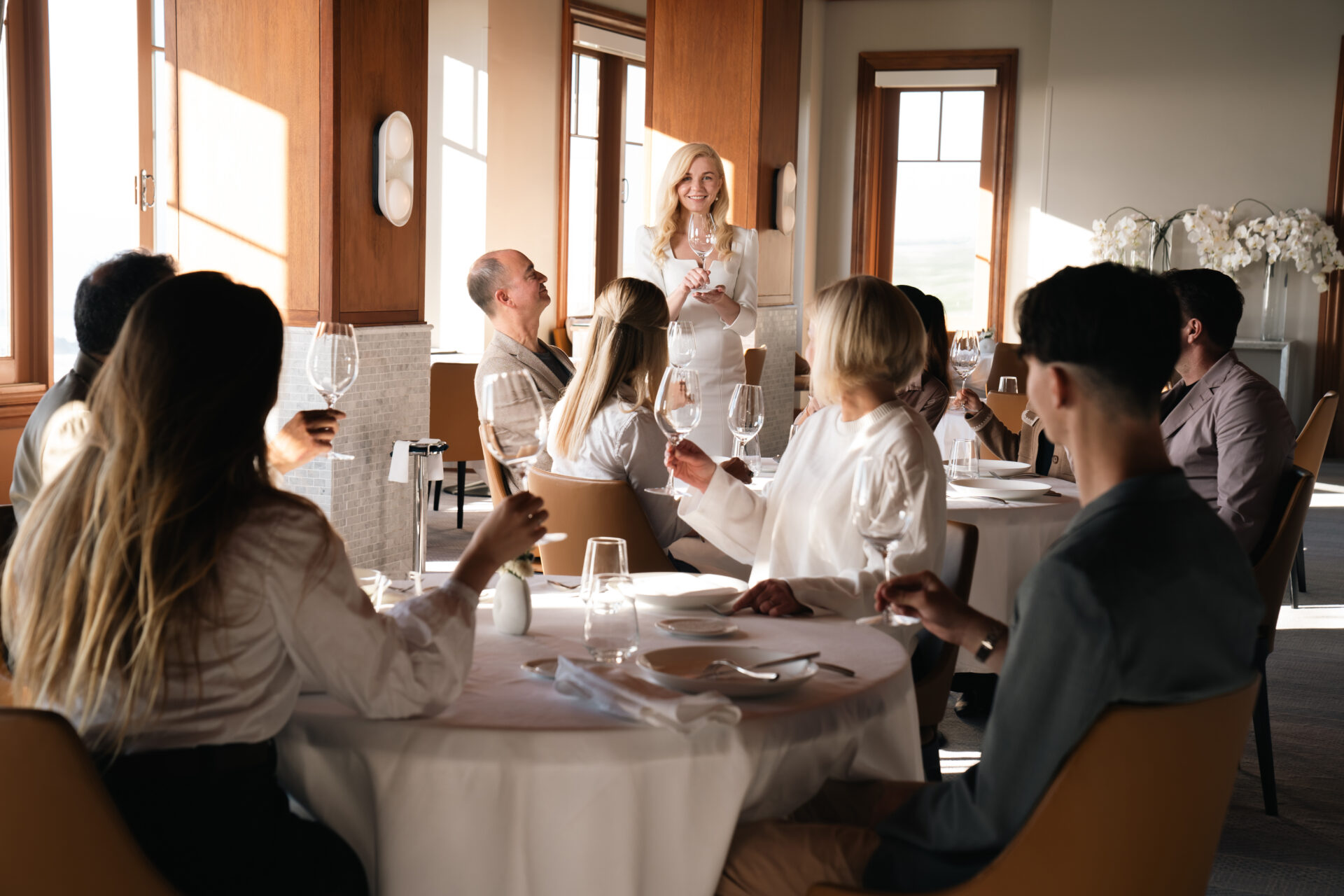
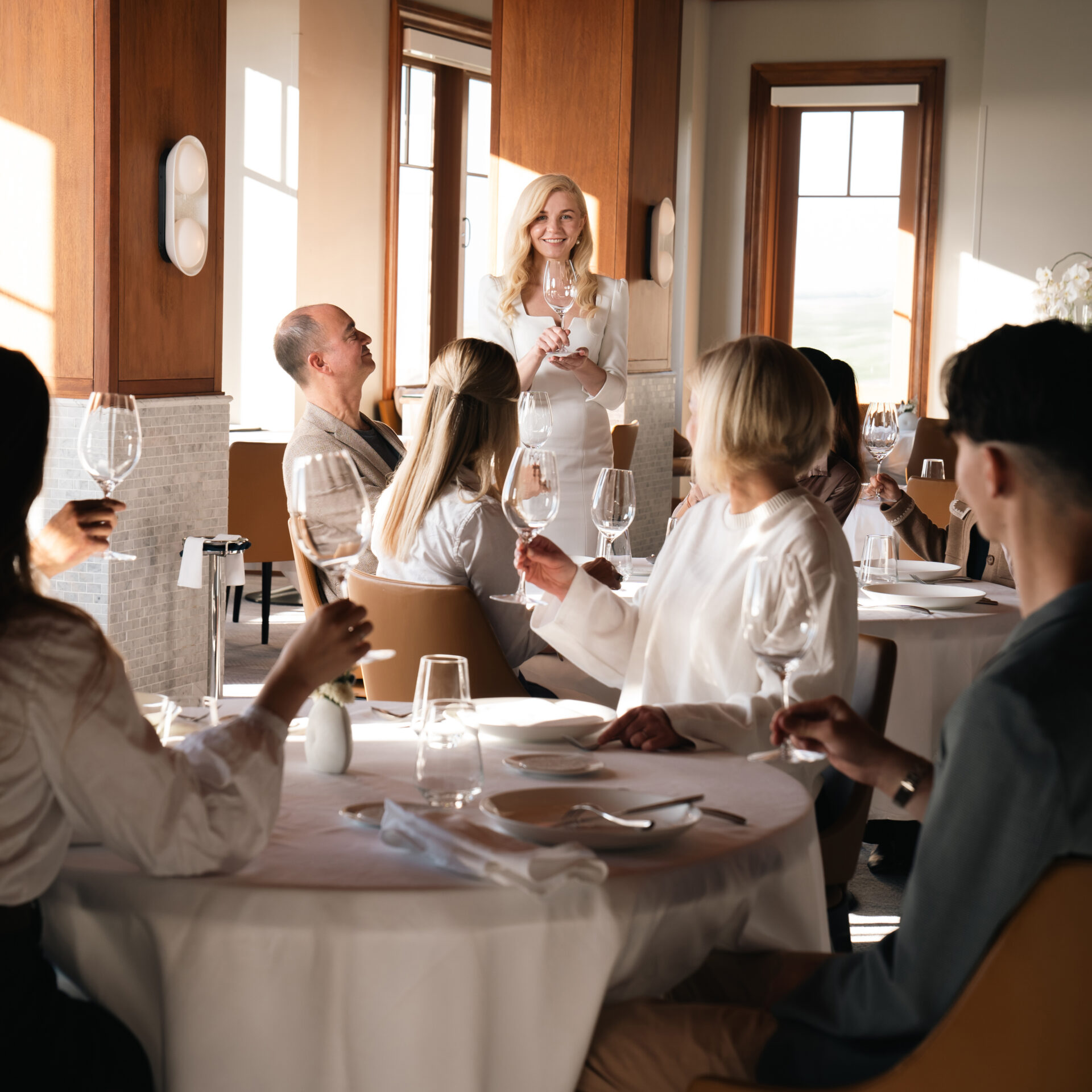
That’s what I teach in my dining etiquette course — from the moment you sit down to the moment the bill arrives. Not rules to remember, but the reasoning underneath them, so the next time, you simply know what to do.